5 Signs You Need a Pool Liner Replacement (And 2026 Ontario Costs)
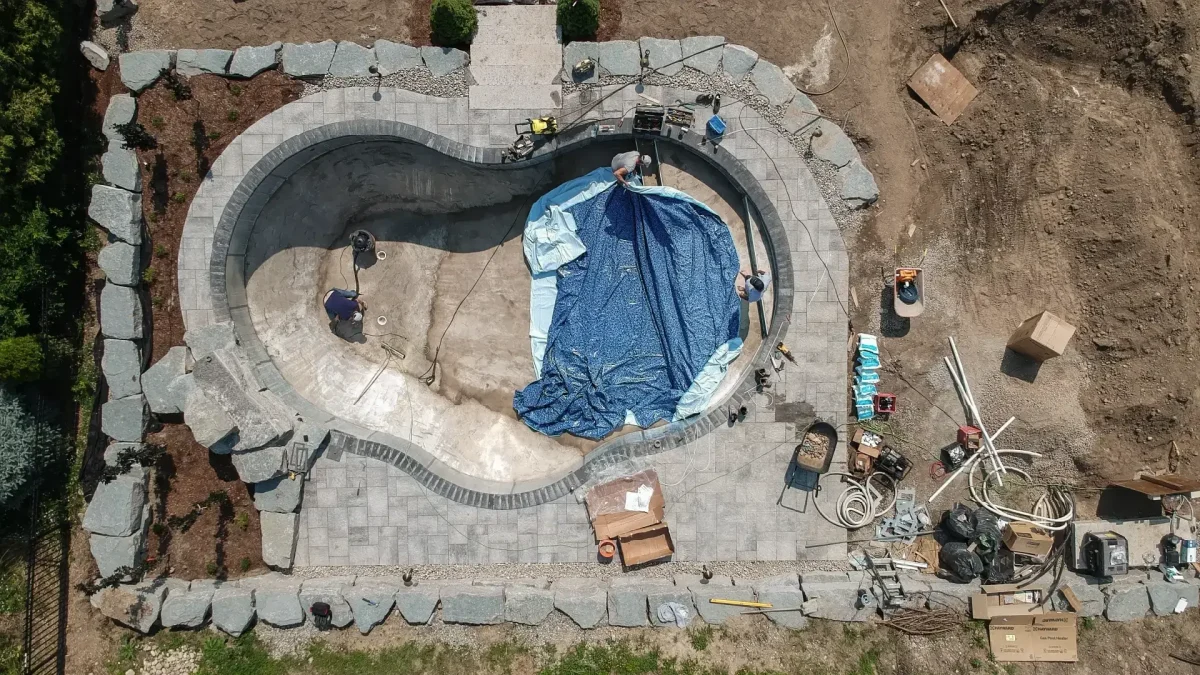
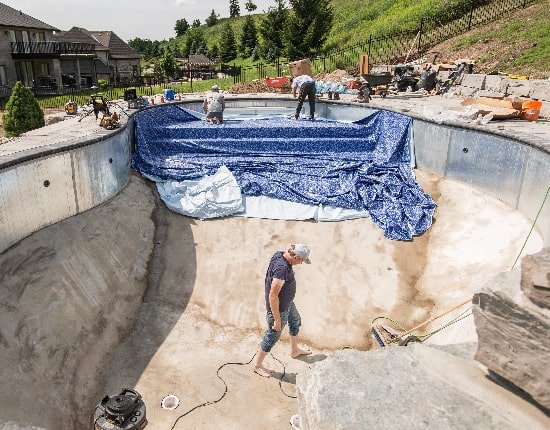
Vinyl liner pools are incredibly popular across Southern Ontario. They are highly customizable, comfortable on the feet, and more affordable to install upfront. But unlike a fiberglass shell, a vinyl liner is a wear-and-tear item. Even with flawless chemical balancing, a standard vinyl liner will typically last between 10 and 15 years before the harsh Canadian freeze-thaw cycles take their toll.
As pool experts serving Hamilton and Ancaster, we often see homeowners try to stretch a failing liner for “just one more season.” Unfortunately, ignoring the warning signs usually leads to hidden water damage, washed-out pool bases, and rusted steel walls—turning a standard replacement into a major renovation.
If you are wondering whether you need a patch or a full replacement, here are the top five signs your pool liner is at the end of its life, plus a transparent breakdown of what it costs to replace in 2026.
1. Fading and Brittleness
It is easy to brush off a faded liner as just a cosmetic issue. However, significant fading—especially uneven, blotchy discoloration above the waterline—signals that the UV-protective coatings have broken down.
When the sun and pool chemicals strip these protective layers, the plasticizers in the vinyl leach out. This turns your once-supple liner into a stiff, brittle material. If you press against the liner near the steps and it feels hard, crinkles like paper, or lacks any “give,” it is structurally compromised and highly susceptible to cracking.
2. Unexplained Water Loss
All pools lose a bit of water to evaporation (about a quarter-inch per day in the heat of an Ontario summer). But if you find yourself dragging the garden hose out multiple times a week to keep the skimmer fed, you likely have a leak.
Water seeping behind a compromised liner is disastrous. It washes away the protective sand or vermiculite base beneath the floor, creating sinkholes, and causes the structural steel or polymer walls to rust and corrode. If you suspect a leak, try the “Bucket Test”: place a bucket of pool water on your pool steps so the water level inside the bucket matches the pool water outside. If the pool drops significantly faster than the bucket over 24 hours, it is time to call a professional.
3. Persistent Wrinkles and Sagging
A properly installed liner should fit the pool’s contours like a glove. If you suddenly notice wrinkles spreading across the floor or sagging near the walls, it means one of two things:
The liner has permanently stretched and lost its elasticity due to age or chemical imbalances.
High groundwater has pushed up under the pool, floating the liner off the base.
Wrinkles are not just an eyesore; they create weak points where tears easily form and act as traps for algae and debris.
4. The Liner is "Pulling" Out of the Track
The top edge of your liner is held in place by a coping track (the bead). As vinyl ages, shrinks, and loses elasticity, the tension becomes too great, causing it to snap out of the track, especially in the corners. While a pool technician can sometimes use heat to stretch a newer liner back into place, an older, brittle liner that repeatedly pops out of the track is a definitive sign that a replacement is necessary.
5. Recurring Cracks and Frequent Patches
Small punctures from a dog’s claw or a sharp pool toy can often be fixed with an underwater vinyl patch kit, which can extend the life of a newer liner. However, if your liner is over 8 years old and you are noticing multiple small “spider cracks” forming near the steps, corners, or plastic fittings, patching is just delaying the inevitable. Brittle vinyl will not hold a patch reliably, and the pressure of the water will soon force those micro-cracks into massive tears.
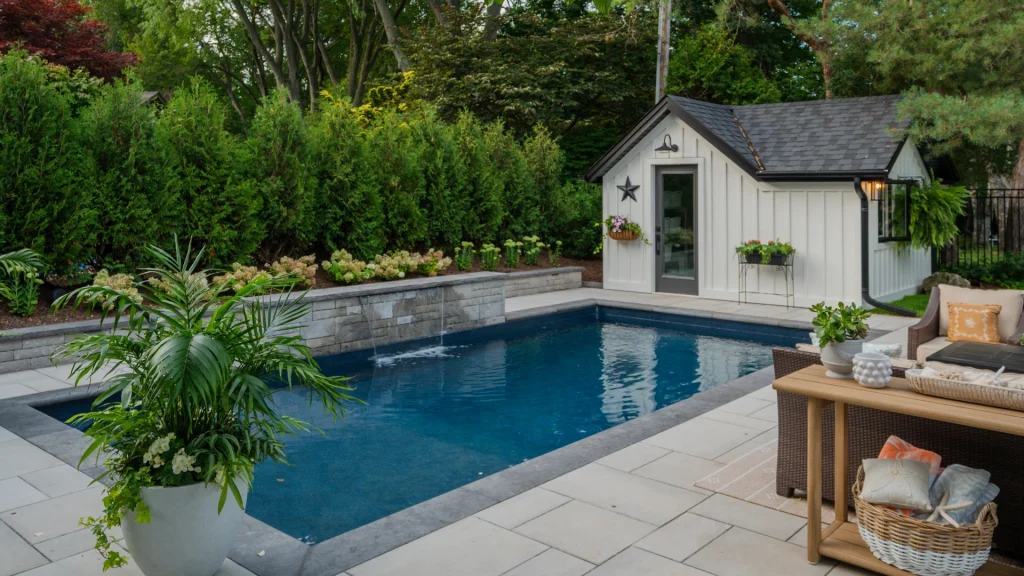
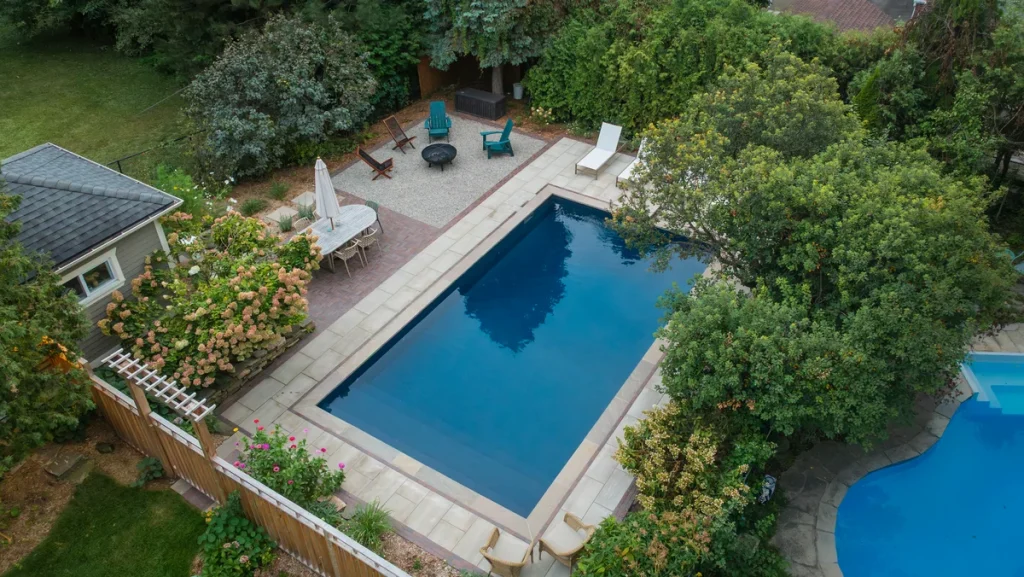
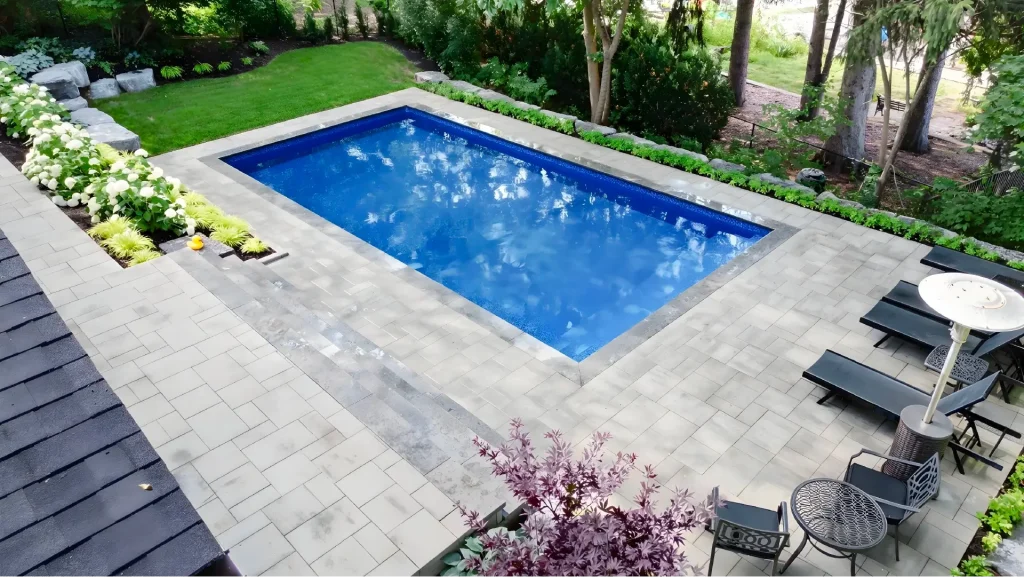
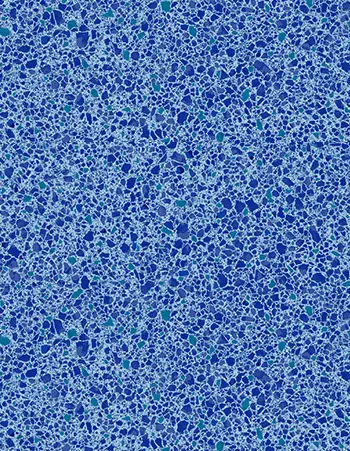
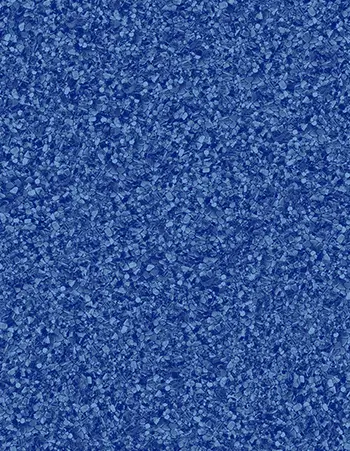
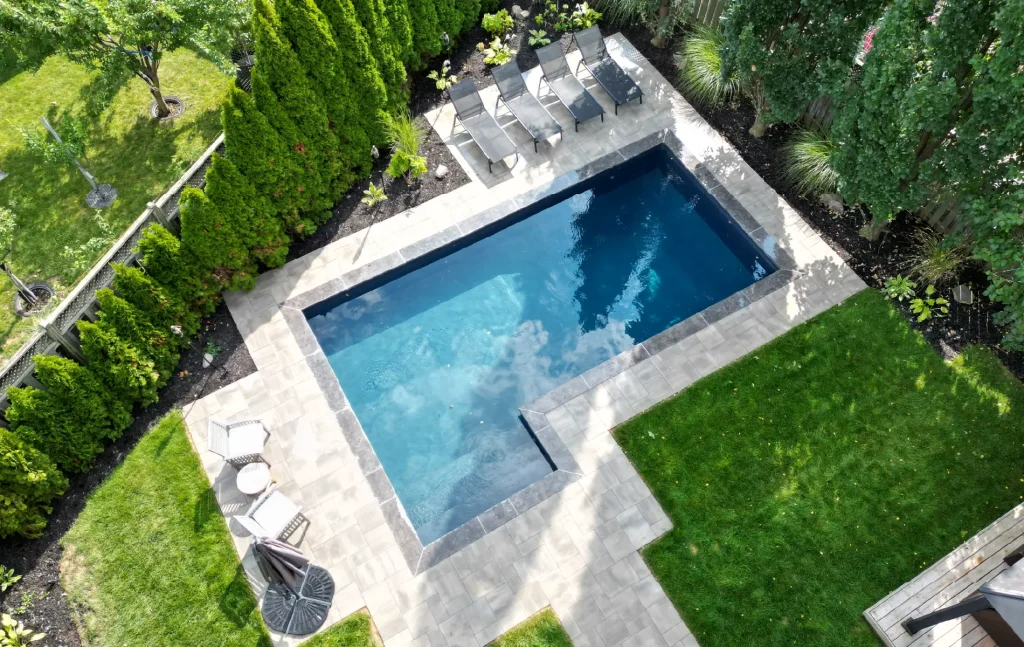
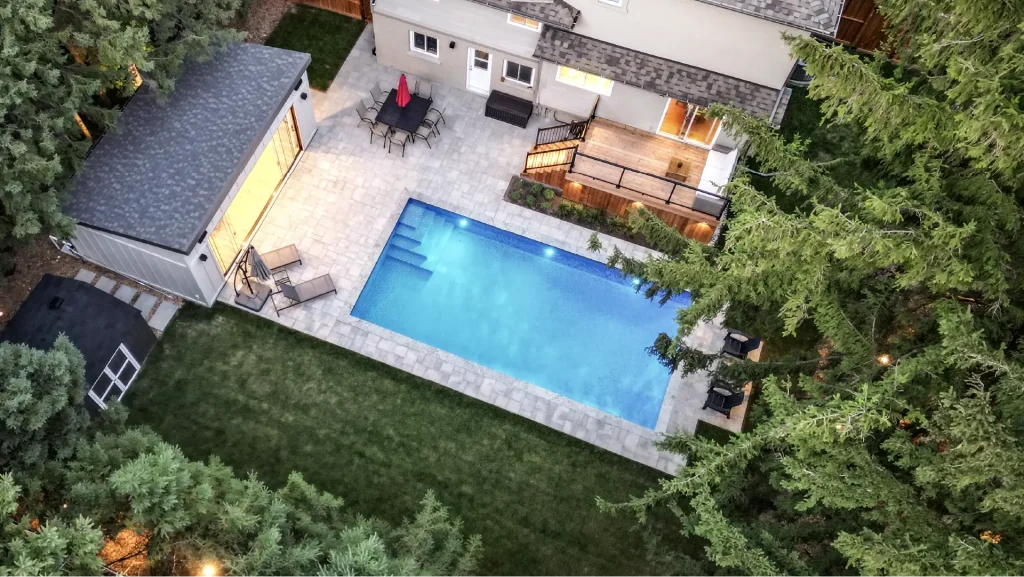
Popular Pool Liner Styles:

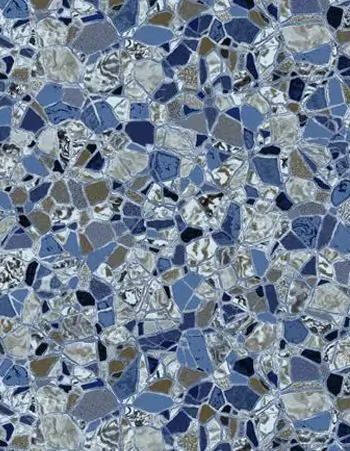

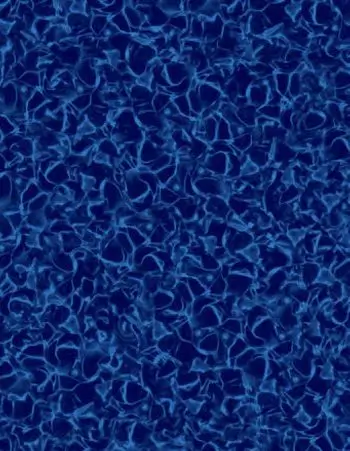
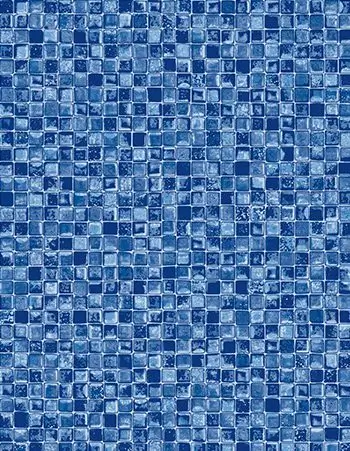
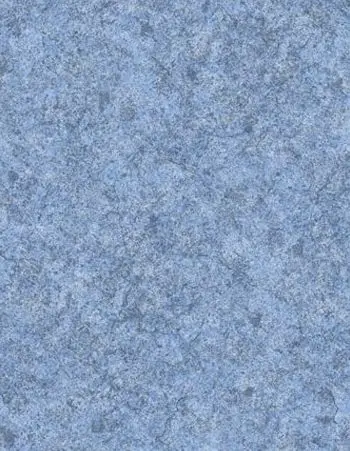

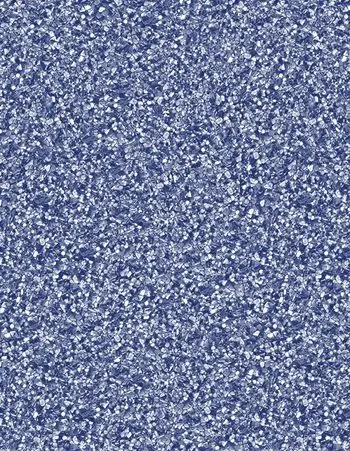
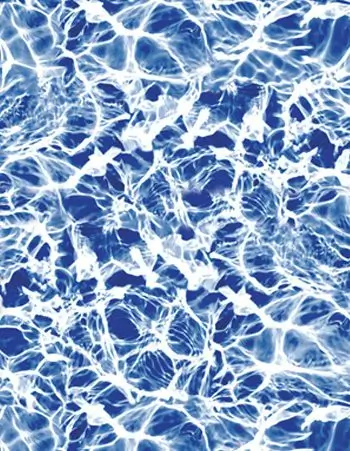
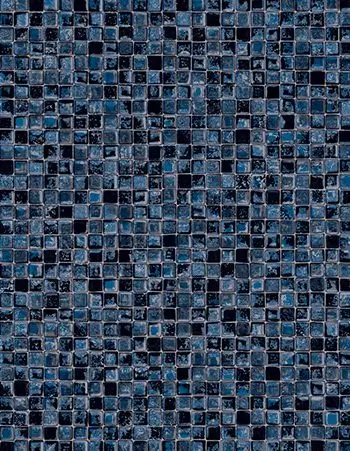

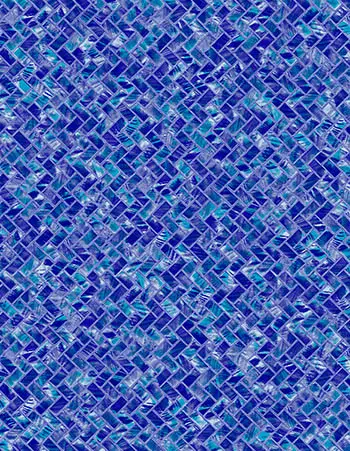
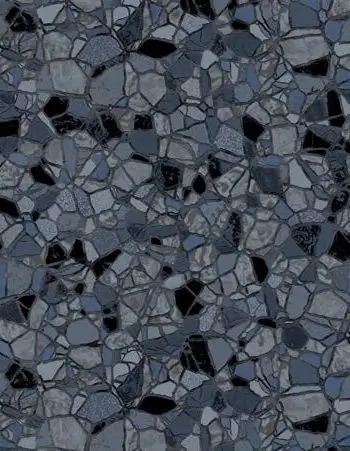
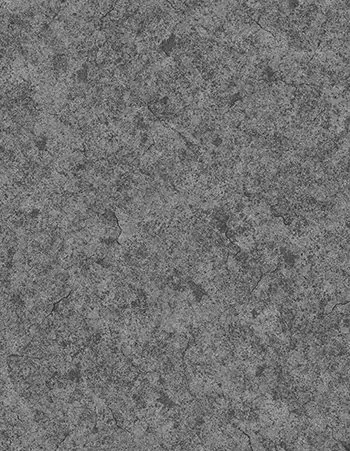
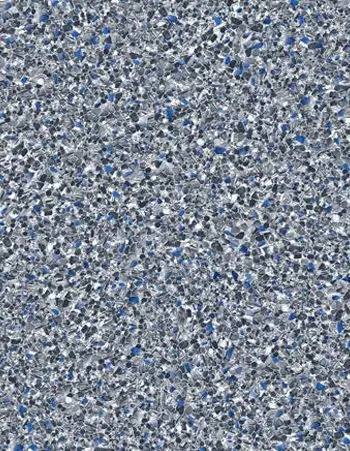
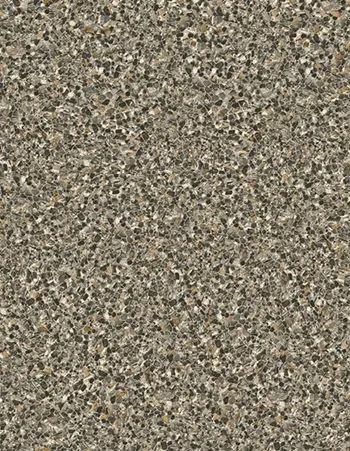
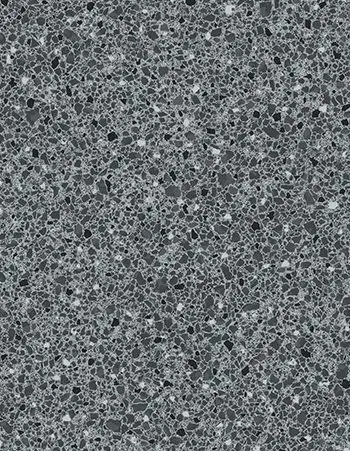
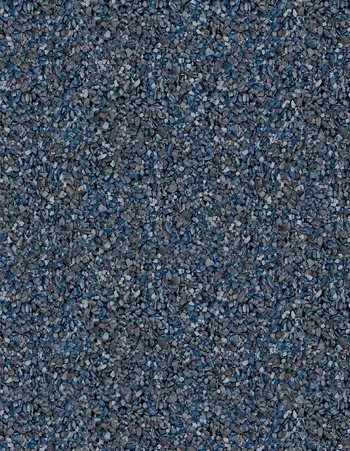

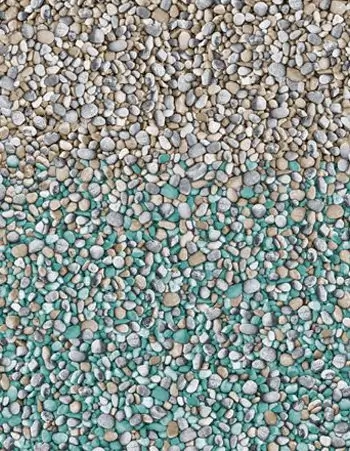
The Real Cost of Pool Liner Replacement in Ontario (2026)
If it is time for a replacement, you are probably wondering about the budget. Pricing depends heavily on the size of your pool, the complexity of its shape, and the thickness of the material you choose.
Standard Inground Pools: For an average-sized rectangular pool (e.g., 14’x28′ or 16’x32′), a professional liner replacement typically costs between $3,800 and $6,000 in Ontario.
Large or Custom Shapes: If you have a massive pool, a custom freeform shape, or features like vinyl-over-steel stairs and deep diving hoppers, expect costs to range between $6,500 and $10,000+.
Understanding Liner Thickness (Mil) When quoting your replacement, we will ask you about thickness. Standard liners are typically 20 mil thick. Upgrading to a premium 27 mil or 30 mil liner usually adds 15% to 30% to the upfront cost, but offers vastly superior resistance to punctures, dogs, and heavy family use.
Budgeting for the “Hidden” Costs Be highly skeptical of builders who quote an incredibly low number without explaining the variables. A true replacement quote must factor in:
Water Replacement: Trucking in water to refill the pool can add $400 to $900.
Structural Repairs: If your old, leaky liner damaged the pool base, repairing the vermiculite floor or patching rusted walls can add $500 to $2,000 to the project.
Faceplates and Gaskets: All skimmer and return gaskets should be replaced simultaneously to ensure a watertight seal.
Don't Wait for a Liner Catastrophe
Your pool liner is the only thing standing between thousands of gallons of water and the structural foundation of your backyard. If your liner is showing its age, the smartest financial move is a proactive replacement in the spring or fall, rather than an emergency structural repair mid-summer.
Is your liner showing signs of wear? Get in touch with us below to schedule a professional liner inspection and get a transparent, comprehensive quote for your Greater Hamilton home.
Get In touch today for a comprehensive liner quote
Recent Post

Get in Touch
We’re happy to provide you with the information in our blog, but if you need any other expert landscape or pool advice, please get in touch: